

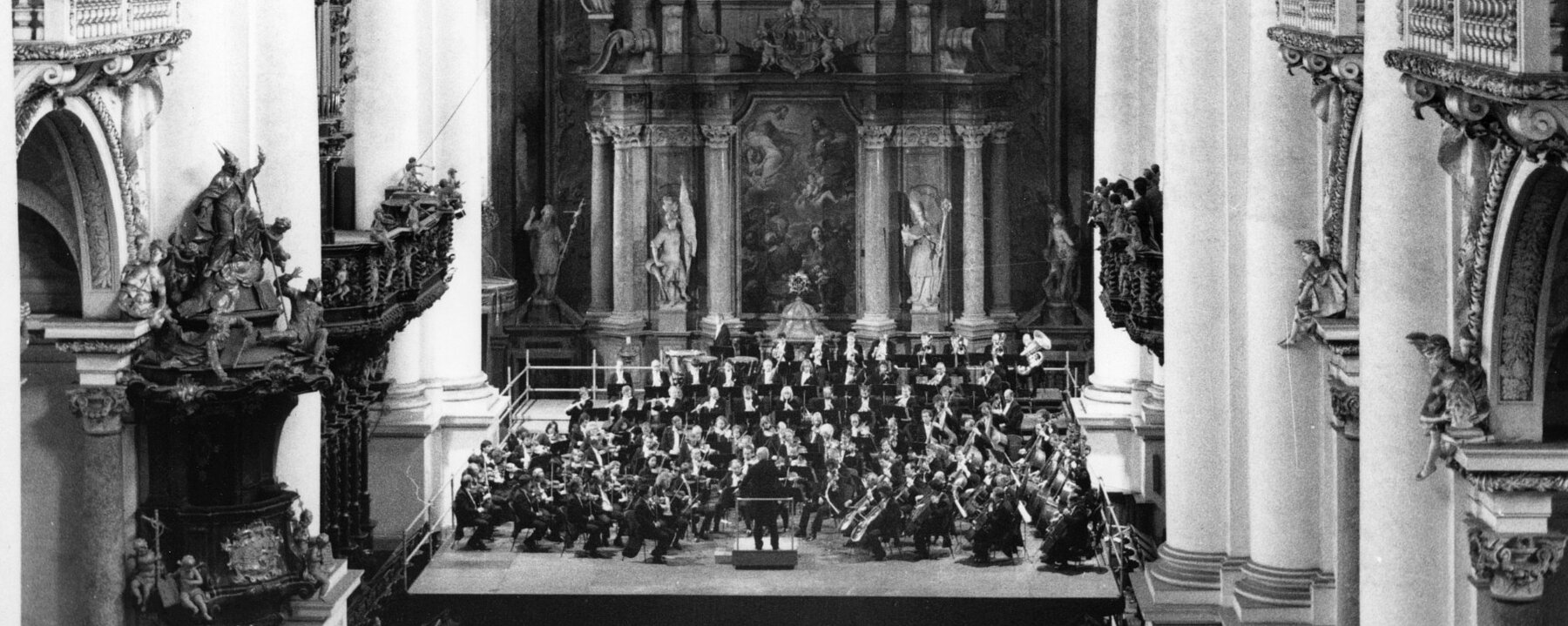
1893
The Munich Philharmonic was founded in 1893 through the private initiative of Franz Kaim, the son of a piano manufacturer. Since then, the orchestra has left an indelible imprint on Munich’s cultural life under the leadership of renowned conductors. In the orchestra’s earliest years – initially under the name »Kaim Orchestra« – conductors like Hans Winderstein, Hermann Zumpe and the Bruckner pupil Ferdinand Löwe guaranteed both a high technical standard of performance and enthusiastic support of contemporary artistry. Right from the outset, their artistic concept included the effort to structure programs and prices to allow access to the concerts by all levels of society. Felix Weingartner, who directed the orchestra from 1898 to 1905, enhanced its international reputation with several tours to other countries.
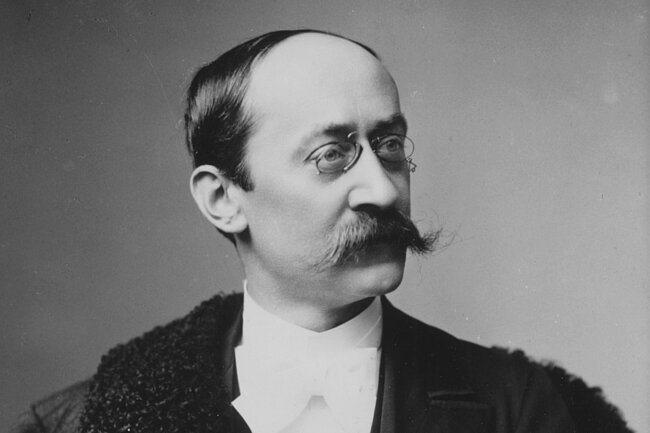
Franz Kaim
1901
Gustav Mahler directed the orchestra in 1901 and 1910 at the respective world premières of his Fourth and Eighth Symphonies. In November of 1911, the orchestra, then called the »Konzertverein Orchestra« performed the world première of Mahler’s »Das Lied von der Erde« (The Song of the Earth) under Bruno Walter’s direction – only six months after the composer’s death in Vienna.
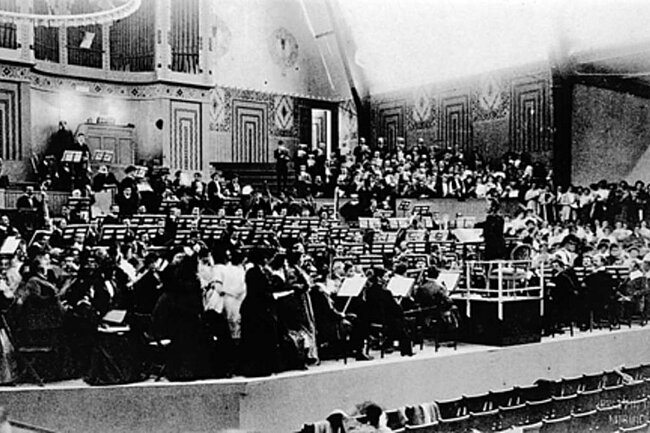
World premiere of Gustav Mahler’s Symphony No. 8
1933
From 1908 to 1914, Ferdinand Löwe again took over the orchestra. In the wake of a triumphant guest appearance in Vienna on March 1, 1898 featuring Anton Bruckner’s Fifth Symphony, he conducted the first large-scale Bruckner concerts and thereby founded the orchestra’s Bruckner tradition, which has continued unbroken to the present day. During the administration of Siegmund von Hausegger, who guided the orchestra as its General Music Director from 1920 to 1938, the world premières of two Bruckner symphonies in their original versions took place as well as the final, definitive change of the orchestra’s name to »Munich Philharmonic«.
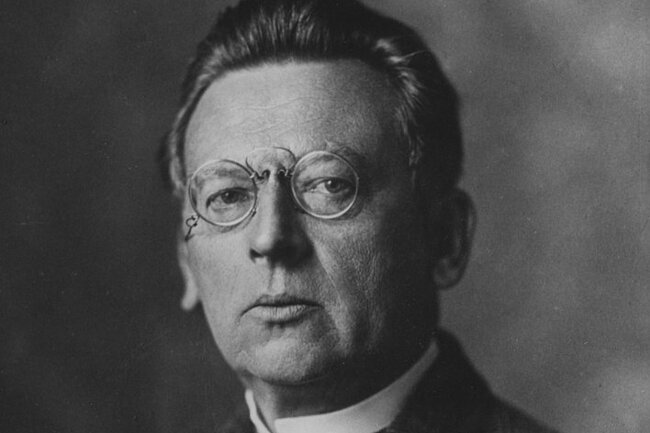
Siegmund von Hausegger
1938
During the Nazi regime in Germany, the orchestra, like almost all cultural institutions, became a tool of those in power. From 1938 to the summer of 1944, Austrian conductor Oswald Kabasta led the orchestra, advancing the Munich Philharmonic’s Bruckner tradition and also demonstrating the already established high standards of the orchestra on a number of tours at home and abroad. Later, Kabasta’s close ties to those in power proved to be his undoing: in 1945 he was banned from practising his profession, and the following year he took his own life.
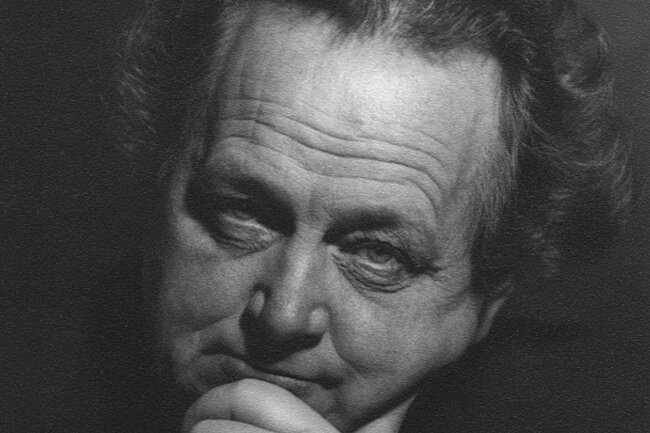
Oswald Kabasta
1945
The first concert after the Second World War was opened by Eugen Jochum with the overture to Shakespeare’s »A Midsummer Night’s Dream« by Felix Mendelssohn Bartholdy, whose music had been ostracized during the Nazi era. With Hans Rosbaud, the Philharmonic gained an outstanding leader in the autumn of 1945, a man who passionately advocated modern music. Rosbaud’s successor - from 1949 to 1966 - was Fritz Rieger. During the era of Rudolf Kempe, who headed the orchestra from 1967 until his untimely death in 1976, the Philharmonic undertook its first tours to Japan and the former Soviet Union.
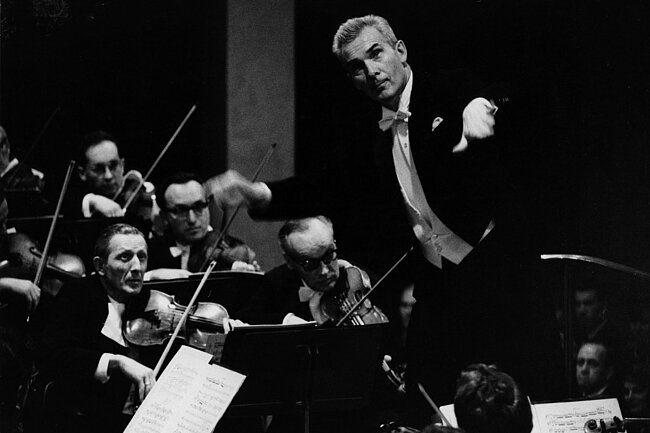
Rudolf Kempe
1979
In February of 1979, Sergiu Celibidache conducted his first concert series with the Munich Philharmonic and in June of the same year he was appointed General Music Director. Concert tours took him and the orchestra through many European countries as well as to South America and Asia. The legendary Bruckner concerts made a major contribution to the orchestra’s international standing, and during the Celibidache era the orchestra was repeatedly invited to accompany the Federal Government or the Federal President as musical ambassadors.
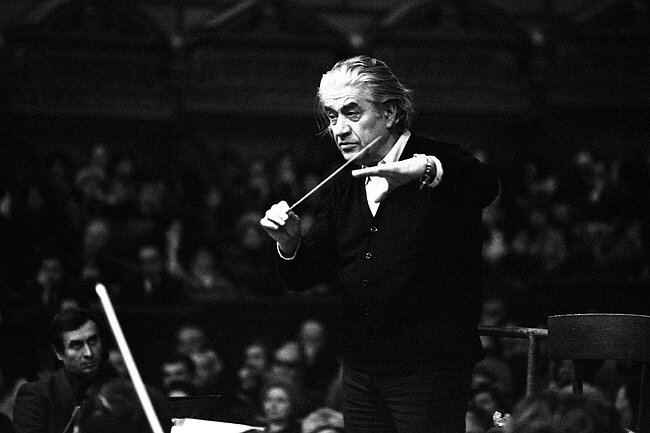
Sergiu Celibidache
1985
Following the wartime destruction of its old home, the so-called »Tonhalle« on the Türkenstrasse, the orchestras spent over forty years in Munich’s Herkulessaal. In 1985, the Philharmonic once again acquired its own concert hall with the Philharmonie in the Gasteig, Munich’s municipal cultural center.
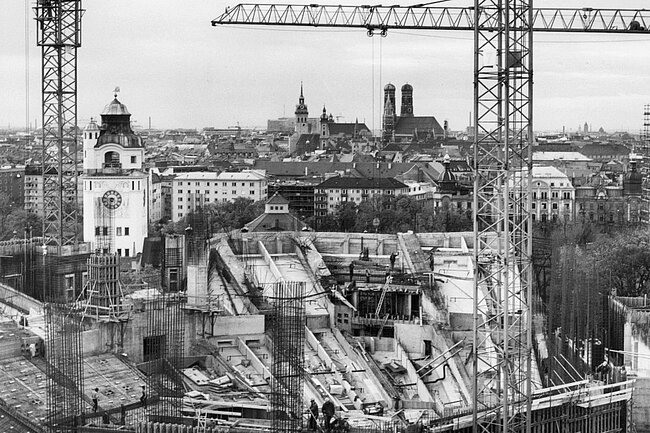
Construction of the Philharmonie at the Gasteig
1999
From September 1999 until July 2004, James Levine was Chief Conductor of the Munich Philharmonic. With him, the Munich Philharmonic undertook extended concert tours. In the spring of 2003, the Munich Philharmonic was awarded the prize for the »Best Concert Programming of the 2002/2003 Season« by the Society of German Music Publishers. For the 100ths anniversary of the première of Gustav Mahler’s Symphony No. 8 in Munich, Christian Thielemann conducted two performances of this work in October 2010. He was succeeded as chief conductor by Lorin Maazel, who held the position until his death in 2014. During his time with the Munich Philharmonic, Maazel focussed on broadening the orchestra’s repertoire and on achieving more flexibility of sound. From 2015 to 2022 the position of chief conductor of the Munich Philharmonic was held by Valery Gergiev, during which time they recorded all of Anton Bruckner’s symphonies in St. Florian basilica on the orchestra’s own MPHIL label.
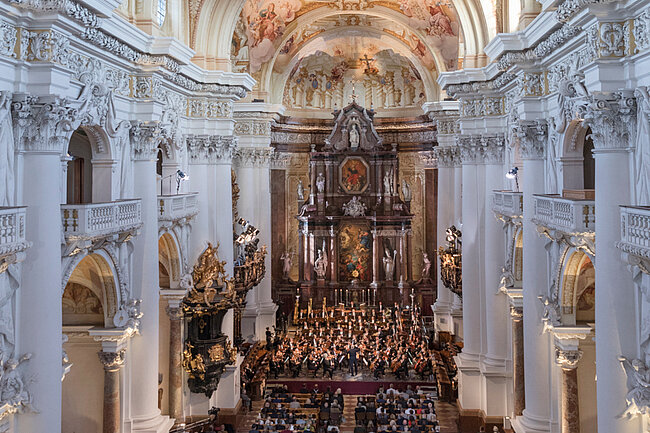
Concert in St. Florian
2004
In January of 2004, the Munich Philharmonic named Zubin Mehta the first »conductor laureate« in the history of the orchestra. A highly successful tour under the baton of Zubin Mehta took the orchestra to South America in September 2010. Following the successful Brahms cycle under conductor laureate Zubin Mehta in January 2024, the release of all four symphonies on that label is being planned, while the two Brahms piano concertos with Yefim Bronfman are set to be released on LP.
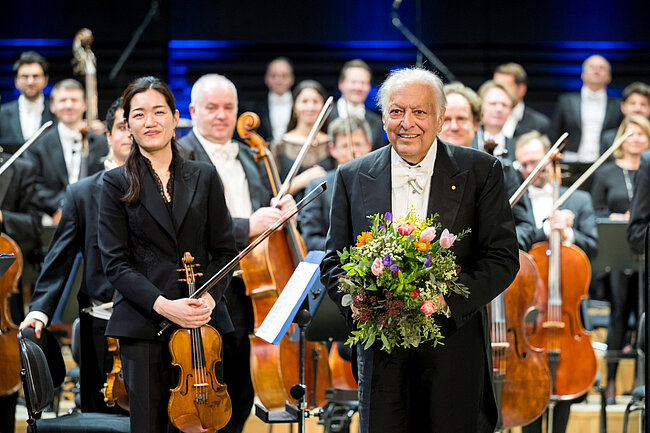
Zubin Mehta
2010
With »Spielfeld Klassik«, the Munich Philharmonic has developed a comprehensive music education programme for young and old. Up to 35,000 people of all ages attended the more than 150 events held each year.
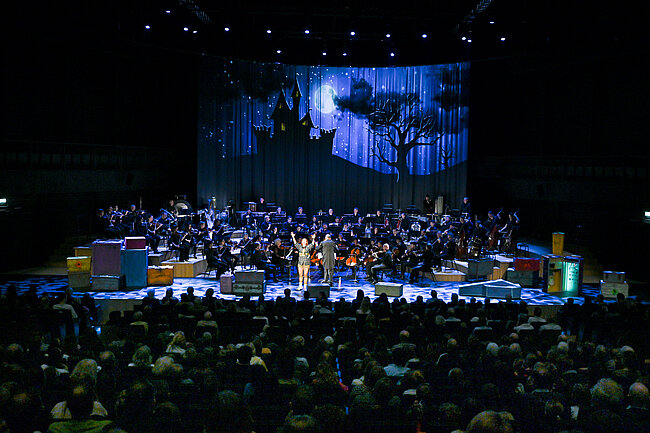
»Senta und die verfluchte Partitur«
2018
In 2018/19, the Munich Philharmonic celebrated its 125th anniversary. In October 2021, the Munich Philharmonic inaugurated the Isarphilharmonie – the orchestra’s new home and concert hall while the Gasteig is being renovated. The hall was designed by architects »Gerkan, Marg und Partner«, with the acoustics designed by Yasuhisa Toyota and his company Nagata Acoustics. True to the Munich Philharmonics’ new motto, »Being approachable and breaking new ground«, the orchestra is expanding its festival programme and will create new points of access for audiences with formats such as »mphil late« and »Wandelkonzerte« to be held regularly from now on.
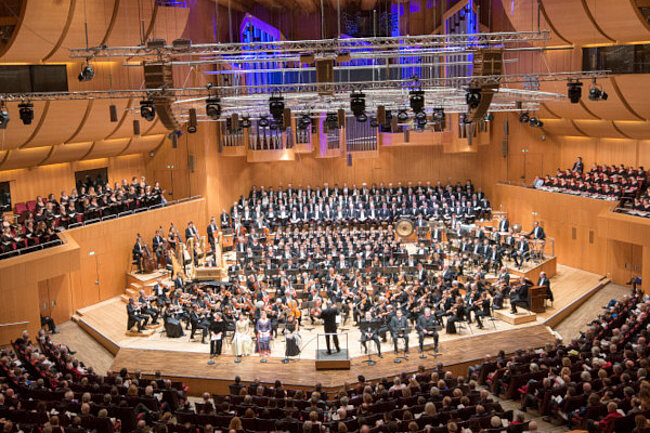
Gala concert to mark the 125th anniversary
2026
In February 2023, the Munich Philharmonic appointed Lahav Shani as its principal conductor. Even before taking up his post officially in September 2026, he will conduct six different programmes in the 2024/25 season under the motto »Dreams«, both in Munich and on tour. The Munich Philharmonic’s concerts at Klassik am Odeonsplatz will also take place under his baton.
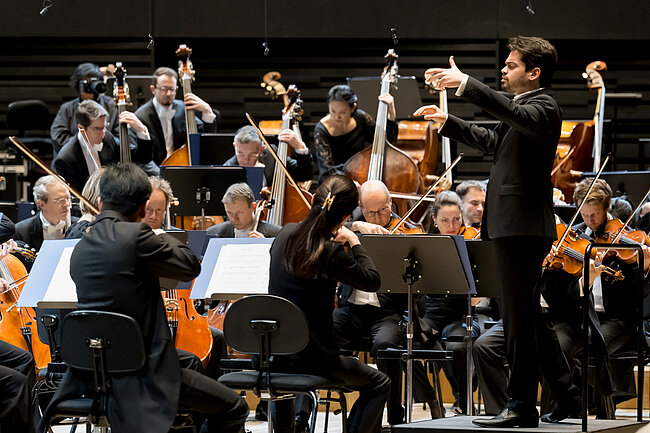
Lahav Shani